Velocity Invitational 2026
A sunny California afternoon at Sonoma Raceway delivered a spectator's and racers' dream. The invigorating sound of historic NASCAR Stock cars, Porsche Sprint Challenge GT3/4 cars handling turns like nothing, Exhibition cars that brought iconic cars from the GT world filled the air. Light Mini Coopers, with the handling of Miatas, went up against American muscle in the 1960s Mini Vs Muscle Enduro. At the same time, FIA Group 4 cars carried their powerful vintage status, and GT class cars brought their unbridled power onto the track. Tires squealed in every turn with drivers battling each other. Determined drivers in classic stock cars and others in track weapons fought hard for pole position for their respective classes over the length of a weekend.
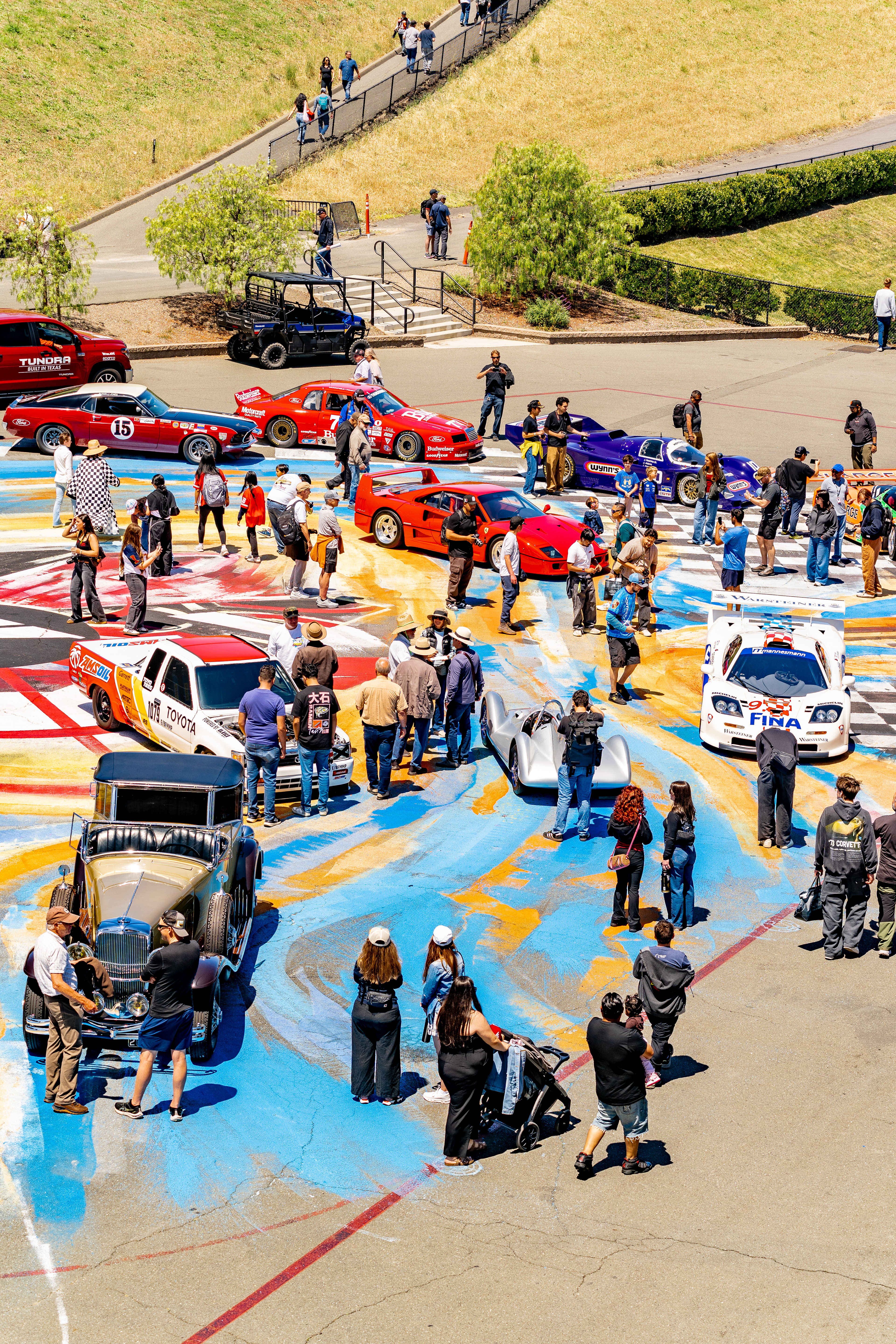
The event, called the Velocity Invitational, took place May 29th-31st. Velocity Invitational wasn’t just drivers seeing who could beat who. Iconic cars with a place in history, as well as new race platforms leading the way, were displayed. Car culture and enthusiasts blended in one place. From cars worth tens of thousands to multi-million dollar setups, every car raced and or displayed during an unforgettable weekend.
Velocity Invitational delivered three days of high-octane track racing across several race classes, from foggy mornings to sunny afternoons. Vintage, GTLM, NASCAR stock car, and GT drivers from across the US, with brands from around the world, raced head-to-head, demonstrating impressive skill and car performance that captivated motorsport fans.
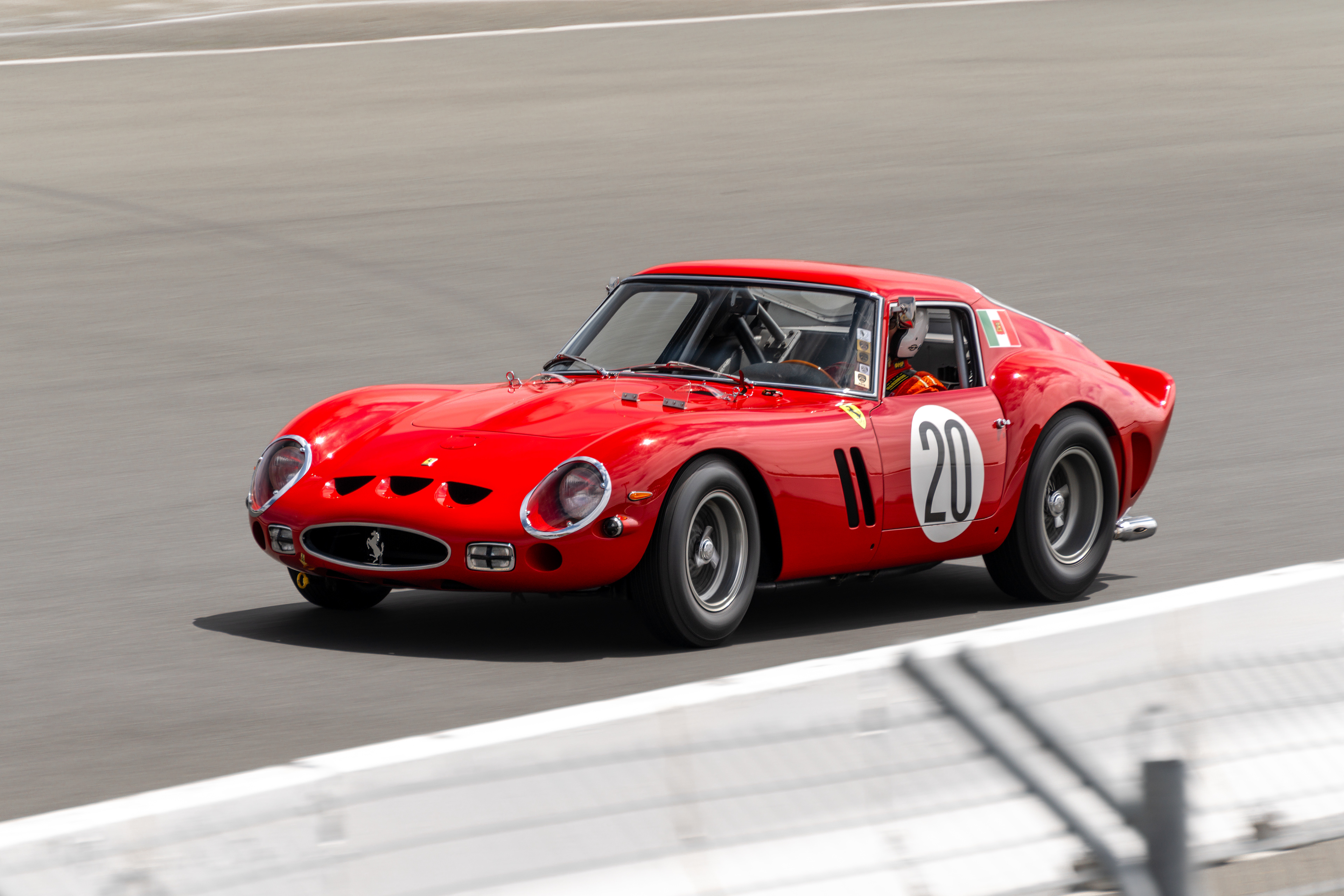
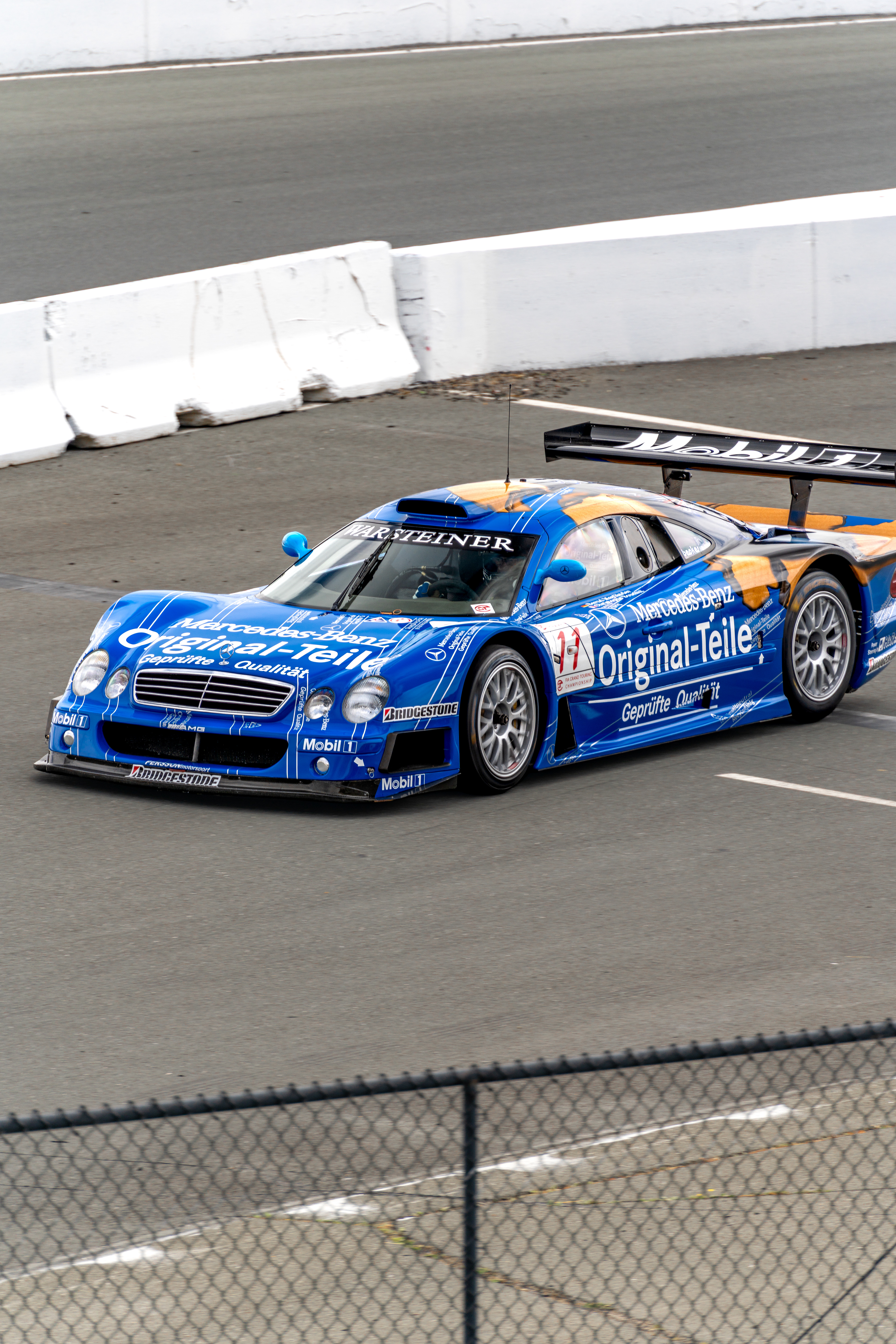
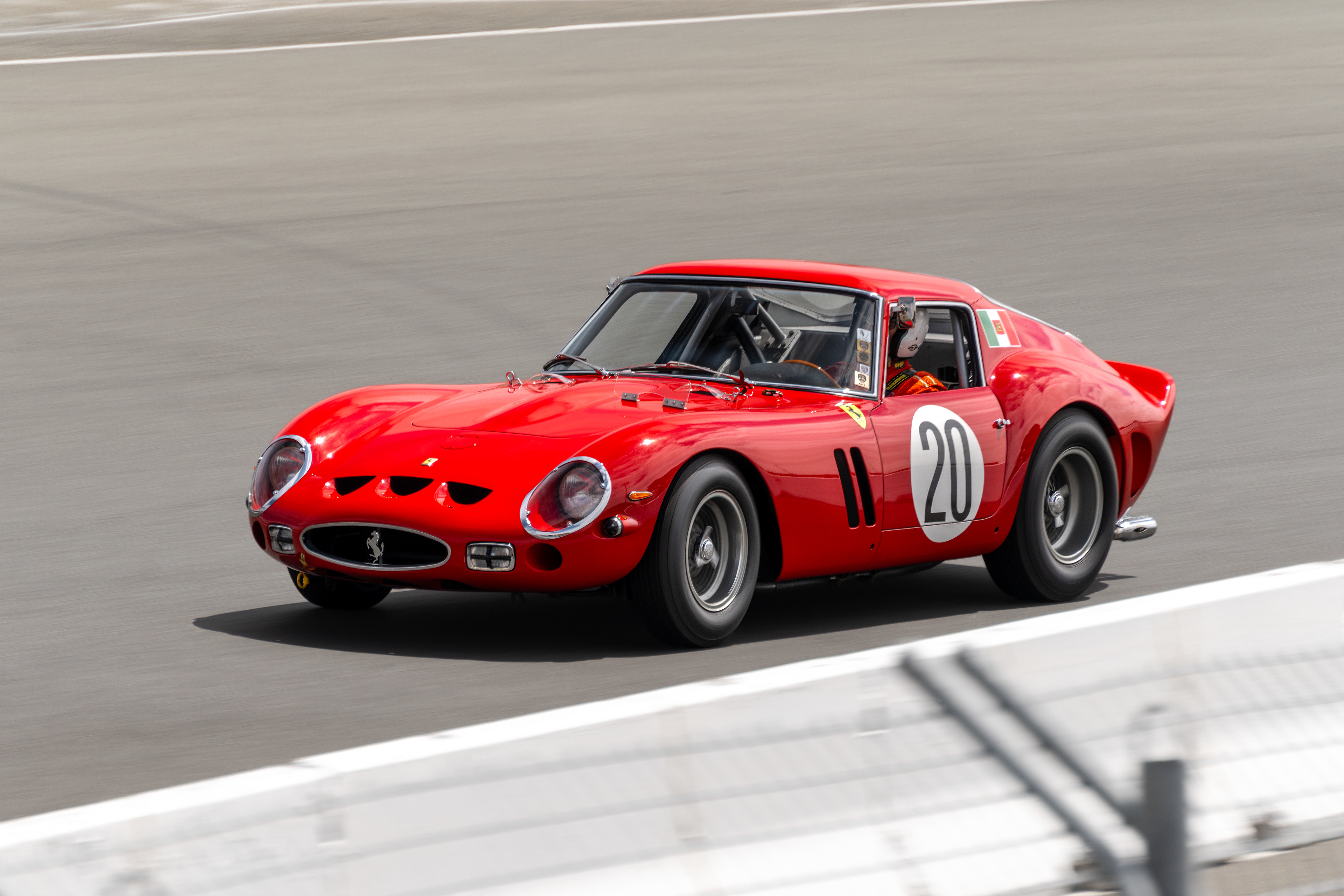
Exhibition cars stood out as another layer to the event. Million-dollar cars raced at high speed, notably the Ferrari 250 GTO and Mercedes-Benz CLK GTR, which hold legendary status in motorsport history. These iconic cars from different eras kept up a mighty pace, showcasing their pedigree to spectators. 1994-2019 GTLM and GT class drivers delivered an adrenaline fueled atmosphere of intensity. These cars, with aerodynamic systems and impressive power that can be put down efficiently, enable skilled GTLM drivers to approach races with precision. Intense clashes among other teams made the air intoxicating with the thrill of drivers and cars pushing limits beyond what most people can do.
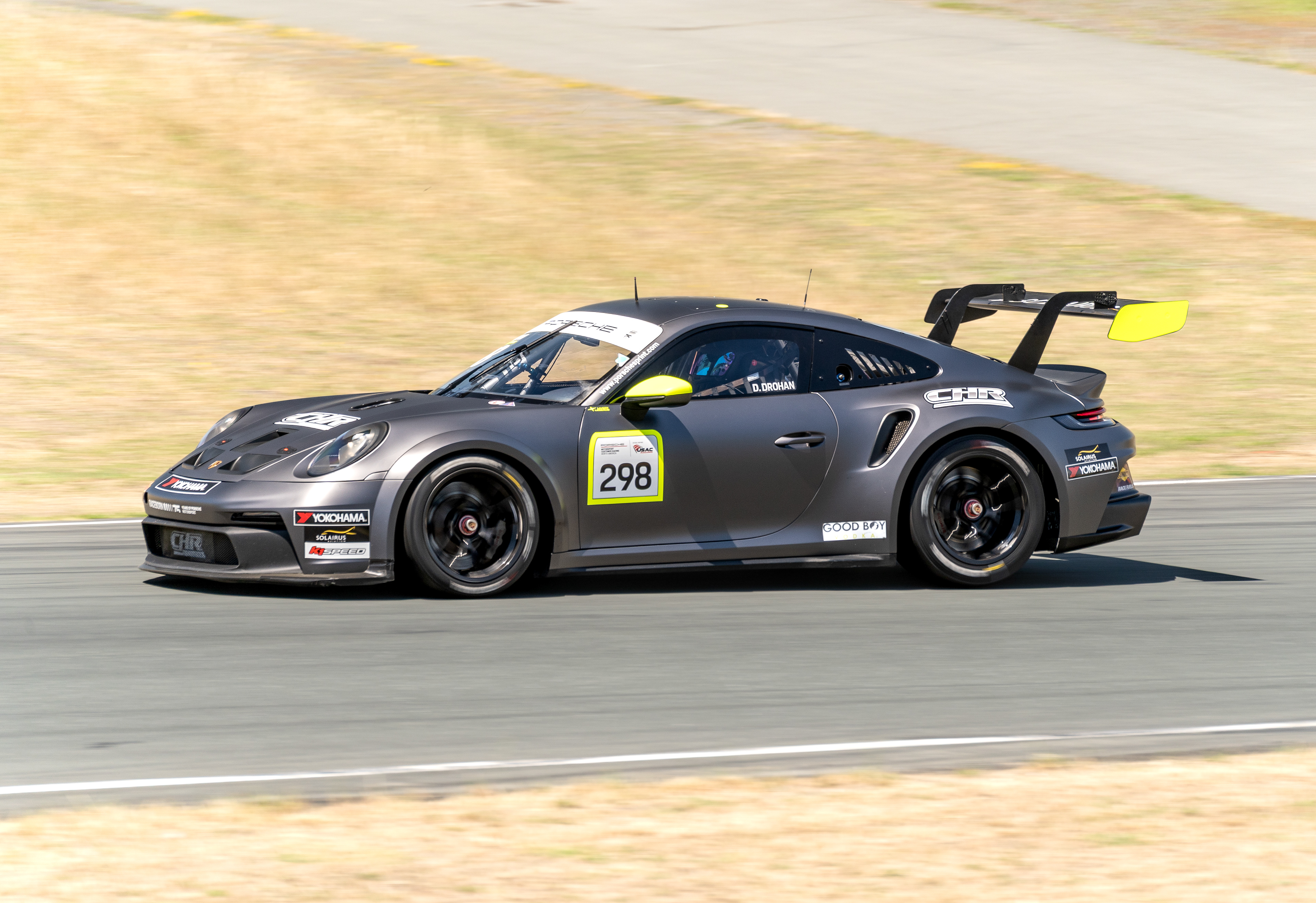
Exhaust notes echoed across the Sonoma Raceway. In the Porsche Sprint Challenge West, the Porsche 911 GT3 Cup Cars and 718 Cayman GT4 Club Sport cars demonstrated remarkable agility and nimbleness. Porsche GT3 and GT4 drivers showed disciplined skill, with precision and patience on straights and in turns. Porsche GT cars are unforgiving in a racing setting.
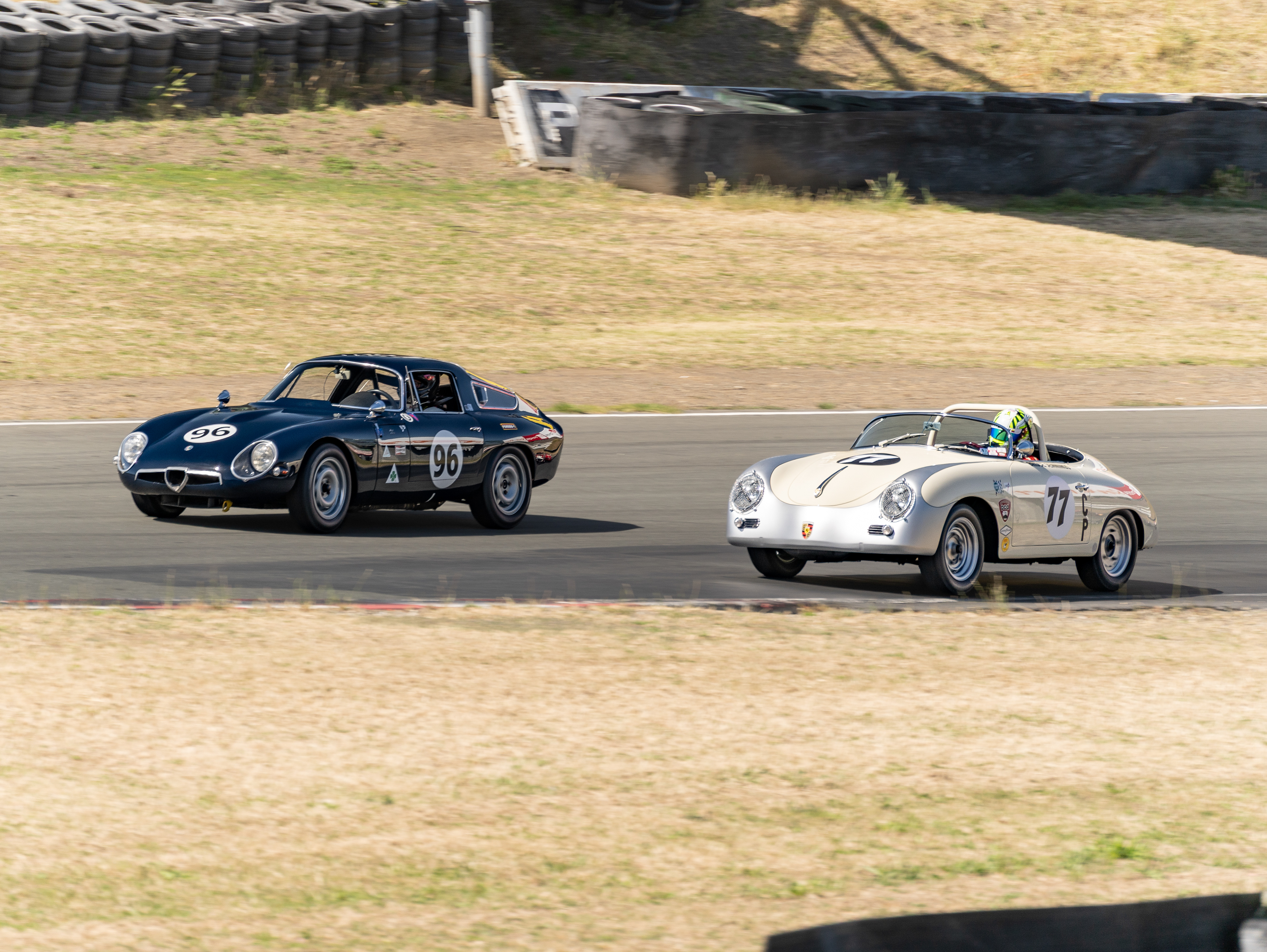
1956-1962 Production/GT Cars up to 5L showed each driver went neck and neck in a variety of vintage cars. An interesting lineup of vintage Porsches, Ferraris, Alfa Romeos, Jaguars, Chevrolet, Turners, Triumphs, and Austin-Healeys battled it around Sonoma. Though these cars are not as fast as other classes, the race rewarded clean skill and resolve. Overtaking other drivers required accuracy and patience rather than just putting the pedal to the floor. 1981-2013 Historic NASCAR stock cars rumbled down Sonoma Raceway's track with American muscle. Drivers attacked corners with aggressive racing lines, producing tire screeching and crude exhaust sounds. NASCAR stock cars gave a deafening and exhilarating experience. NASCAR, GT, GTLM, and Group 4-class cars gave an enthralling feeling after a long day of hard racing.
Over the course of 3 days across multiple race classes, several cars stood out to me for their performance and importance to motorsports. Exhibition races gave spectators the chance to see multi-million dollar cars, such as the Ferrari 250 GTO, Ford GT, and Mercedes-Benz CLK GTR Original-Teile. The number 20 1963 Ferrari 250 GTO, driven by Jeffrey O’Neil from Larkspur, California, placed pole in qualifying for a nine-lap race with a best lap time of 2:00.833. In the final Group 1 race, the Ferrari 250 GTO finished second among 1956-1962 Production/GT Cars with a total time of 20:11.740 and a best lap of 2:00.900 over nine laps, demonstrating impressive driver skill and car performance that inspired admiration. In the same race, the No. 99 and No. 20, No. 99 being a 1961 Jaguar XK-E driven by Michael Doyle, who finished first ahead of the No. 20 with a time of 2:00.550
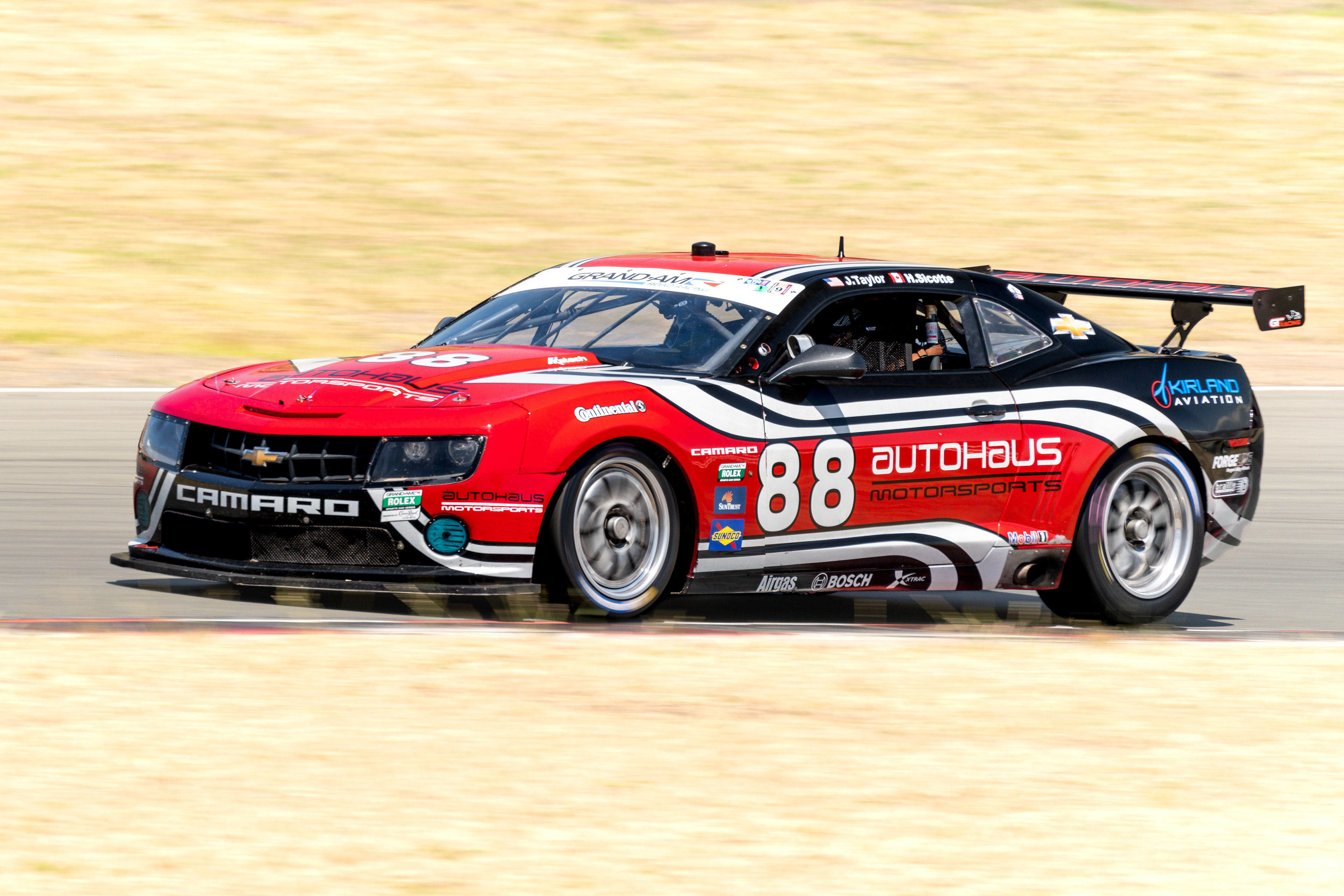
Tim Lynns 2010 Chevrolet Camaro GT.R bested Ford GT’s GTLM car and Porsche GT3/GT cars in the 1994–2019 GTLM and GT class. The 2010 Chevrolet Camaro GT.R No. 88, a Grand AM GT car, performed amazingly against the competition. During qualifying, the No. 88 car posted its fastest lap at 1:36.628 and finished fourth. In the final race, the No. 88 car did not improve its fastest lap, but it maintained its fourth position. The 2010 Chevrolet Camaro GT.R went up against a 2012 Pescarolo-Morgan, a 2006 Riley Gen 1 Daytona Prototype, and a 2014 Chevrolet Corvette C7R. The No. 88 Camaro ran above the Porsches and followed the Ford GTLM intently at the start of the race. Midway through the race, the Camaro kept pace with the Ford GTLM, which surprised commentators. Tim Lynn, passing the Ford GTLM and thus pursuing the Chevrolet Corvette C7R, finished fourth in the final race with a best lap time of 1:36.871.
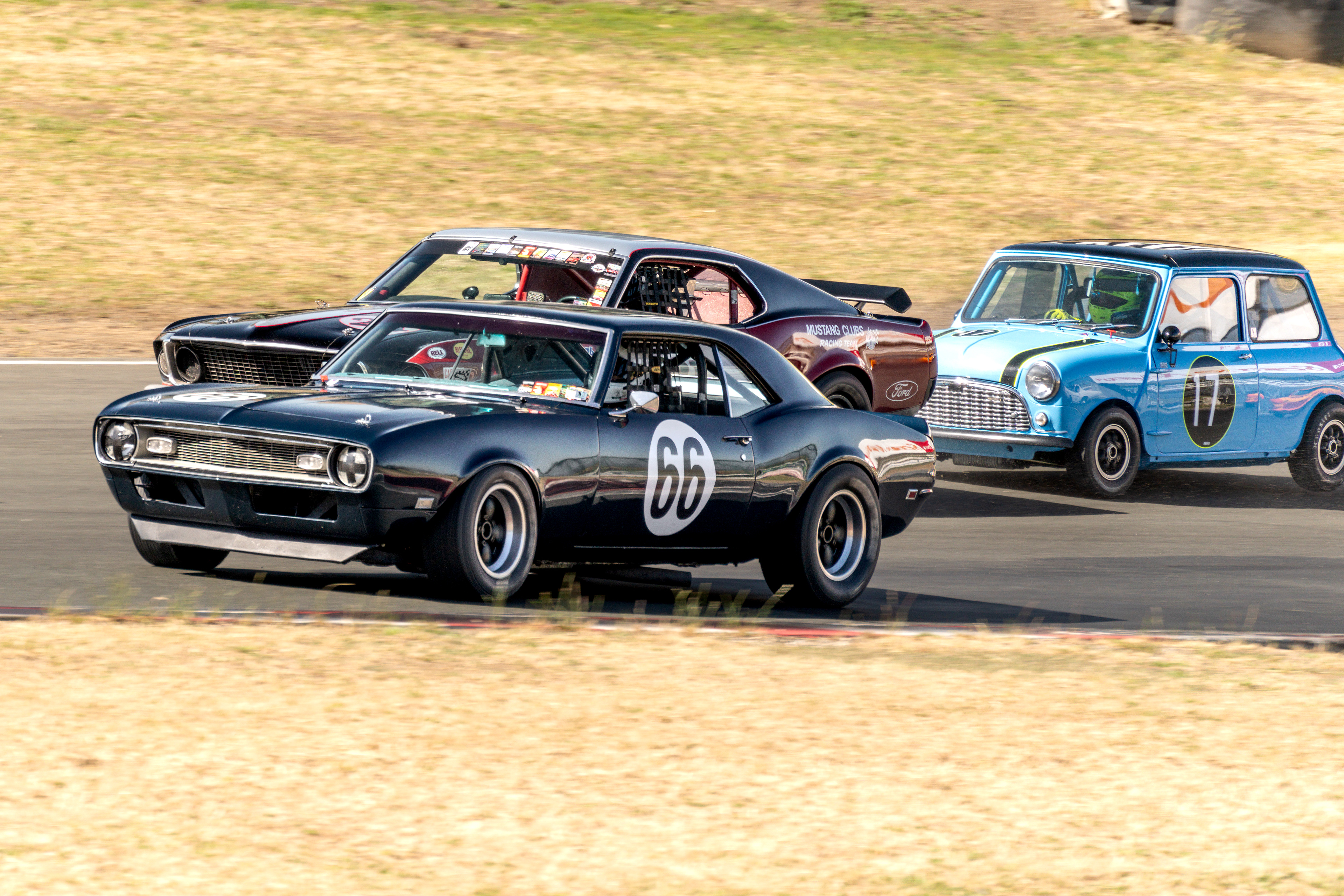
1960s Mini vs. Muscle Enduro-class cars, one car that outperformed the majority with speed in two of its four races. John Hildebrand’s 1968 Chevrolet Camaro No. 166, which placed second with a best lap time of 1:51.925 in qualifying. The ’68 Camaros time in qualifying demonstrated its straight-line performance. No. 166 then carried the same energy into the first Enduro race and placed first with a total time of 50:02.292, with a fastest lap of 1:53.159. By qualifying both a 1969 Ford Boss 302 Mustang driven by Steve Eftimiou and the 1968 Camaro, the two traded positions, highlighting their unique platforms. The Camaro’s placement across all four races wasn’t consistent due to the nature of being against Mini’s. Minis are known to be far lighter and show far better handling than their American muscle counterparts. The ’68 Camaro finished fifteenth in the second Enduro race. In hindsight, the No. 166 became one of the few muscle cars in the class capable of achieving an overall victory, even though its pace could not be sustained in every race.
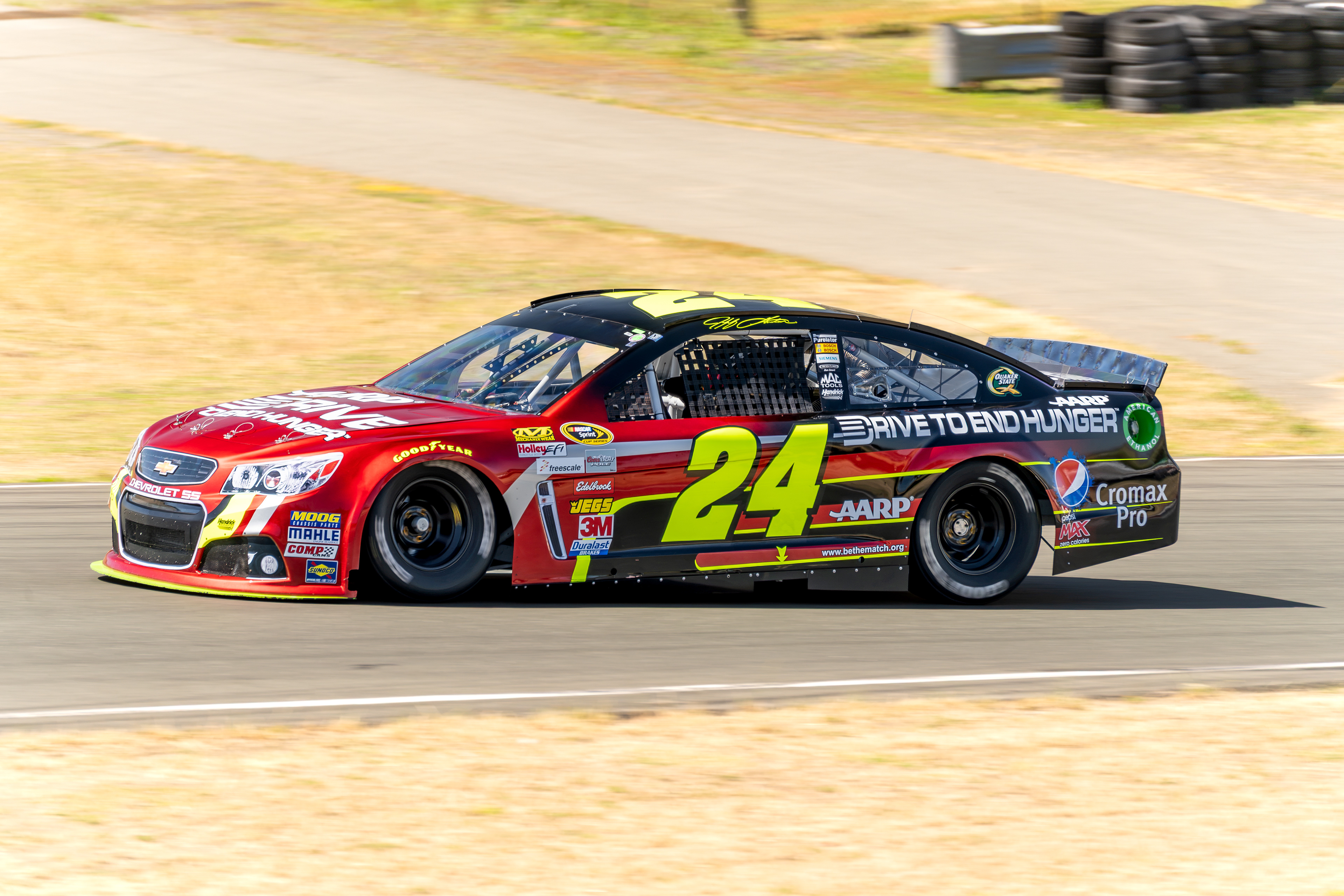
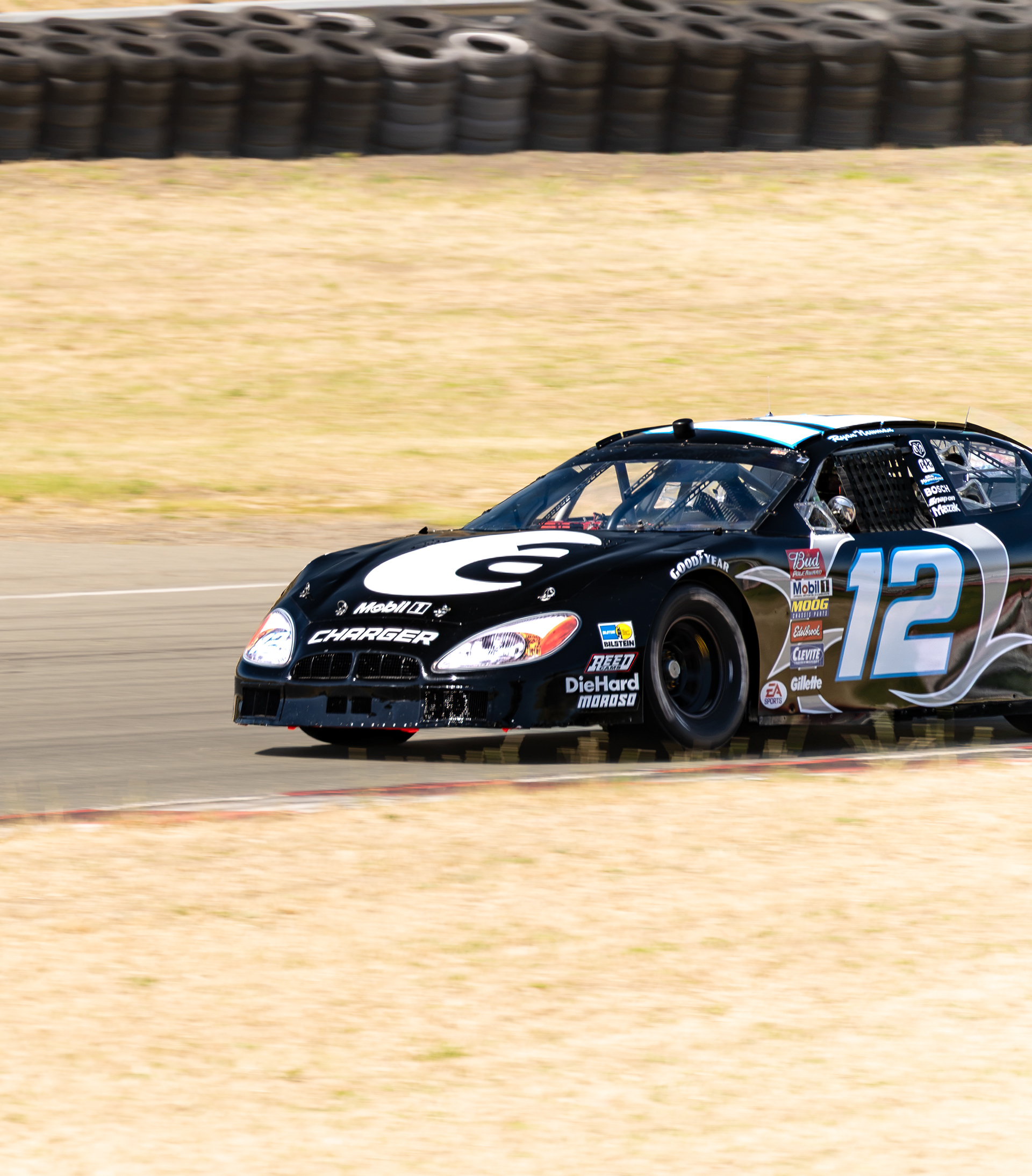
1981–2013 Historic NASCAR stock-car class drivers at Sonoma Raceway, hit the corners with aggression, smoke pouring off the tires, and thundering exhausts trailing behind. Stock cars in the race ranged from 80s-90s-generation Ford Thunderbirds, a 1989 Pontiac Grand Prix, a 1988 Buick Regal, and a 1990 Oldsmobile Cutlass. One car that paved the way to a win was Tim Lynn's No. 24 2013 Chevrolet Monte Carlo SS, which housed a Chevrolet R07 5.9L V8 powerplant and sported Jeff Gordon's original Drive to End Hunger paint scheme. Lynn qualified second and finished the first race in the same position, posting a best lap of 1:39.051, behind Cole Moore's No. 12 Dodge Charger (Dodge R5P7 V8), who took the win. Lynn matched Moore's pace throughout and carried it into the second race, taking P1 with a fastest lap time of 1:40.348 and a total time on track of 19:31.933.
Velocity Invitational brings motorsports and history to Northern California. Whether it be vintage racing machines or modern GTLM/GT class cars. Every race class showcased its own way of racing. Exhibits of legendary cars from the length of time that motorsports have officially existed. Spectators came to see cars that they may never see again race for the checkered flag. The Velocity Invitational left an incredible lasting impression on me and many spectators. Car culture came alive for 3 days and will continue to exceed expectations for years to come.